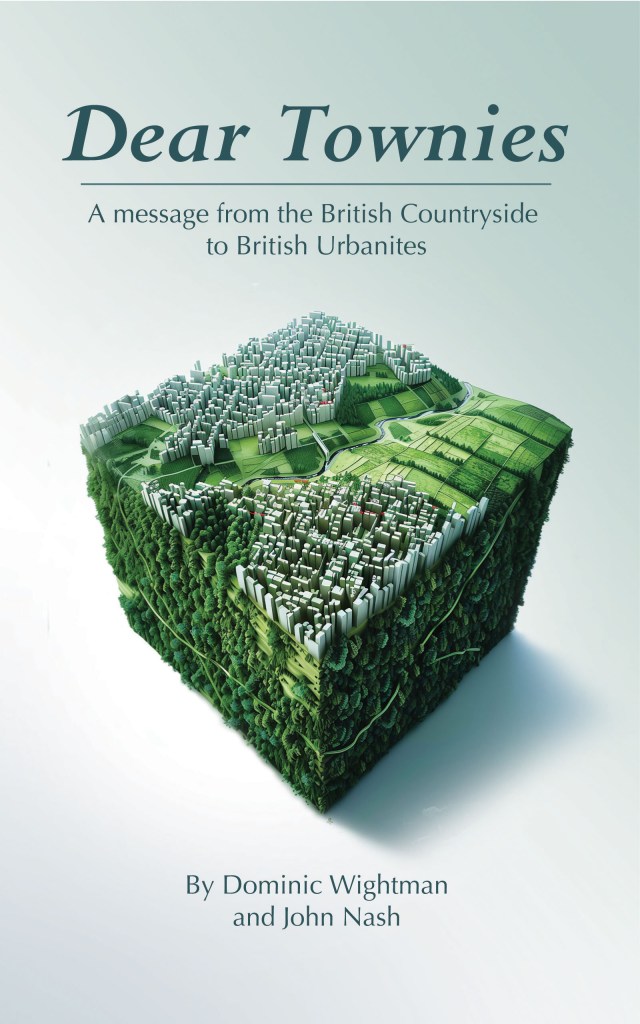
“Dear Townies” by Dominic Wightman and John Nash is a compelling exploration of the deepening divide between urban and rural communities in the United Kingdom. The authors tackle a subject that is often misunderstood and misrepresented, shedding light on the complexities and challenges faced by those living in the countryside. With a blend of personal anecdotes, rigorous research, and sharp analysis, this book offers a fresh perspective on the cultural, environmental, and social issues that shape the relationship between town and country.
The narrative is engaging and accessible, making it easy for readers to understand the intricacies of rural life and the impact of urban attitudes and policies on the countryside. Wightman and Nash do an excellent job of breaking down stereotypes and misconceptions, offering a balanced and nuanced view of both sides of the debate. Their passion for the subject is evident, and their writing is both informative and entertaining.
The foreword by Sir Johnny Scott sets the tone for the book, highlighting the importance of empathy and understanding in bridging the gap between town and country. His call for greater appreciation of the countryside and its traditions is a recurring theme throughout the book. The authors build on this foundation, exploring topics such as animal rights, veganism, and environmental conservation with a critical yet fair approach.
One of the book’s strengths is its ability to present complex issues in a clear and straightforward manner. The chapter on the reality of meat production, for example, is both eye-opening and thought-provoking. The authors do not shy away from discussing the harsh realities of slaughterhouses and the ethical considerations of meat consumption. However, they also highlight the importance of sustainable farming practices and the role of rural communities in maintaining the UK’s food supply.
“Dear Townies” is not just a critique of urban attitudes towards the countryside; it is also a call to action. Wightman and Nash urge readers to engage in meaningful dialogue and to seek common ground in addressing the challenges facing both urban and rural areas. Their message is one of unity and mutual respect, and they provide practical suggestions for how town and country can work together to create a more harmonious and sustainable future.
Overall, “Dear Townies” is a thought-provoking and timely book that offers valuable insights into the complex relationship between town and country. It is a must-read for anyone interested in understanding the dynamics of rural life and the impact of urban policies on the countryside. Wightman and Nash have created a compelling and important work that will resonate with readers from all walks of life.
 Foootsoldier Says…